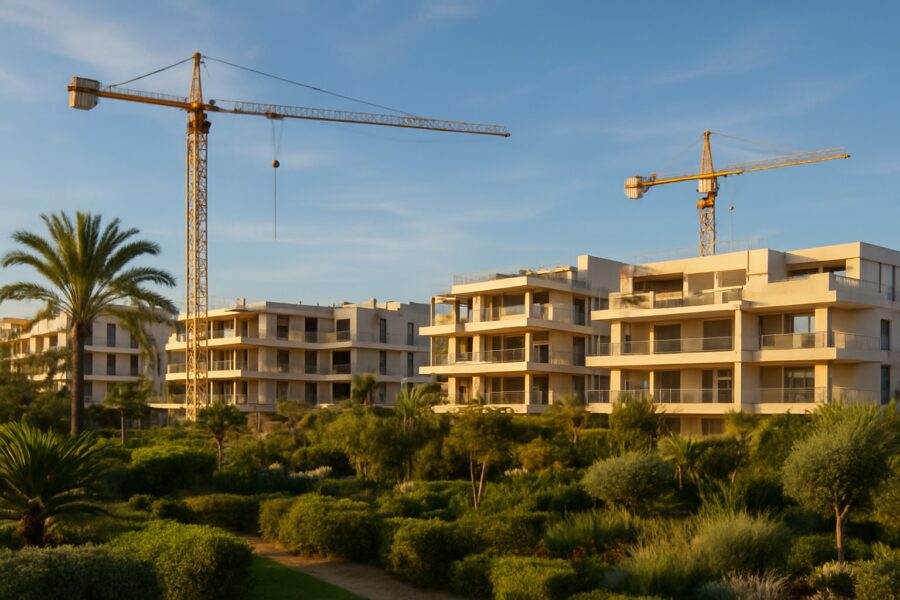
Century-old coastal juniper woodland found growing within Marbella’s urban streets
A University of Málaga study has documented a population of coastal junipers, some 100 years old, surviving among homes, parks and pavements in eastern Marbella.
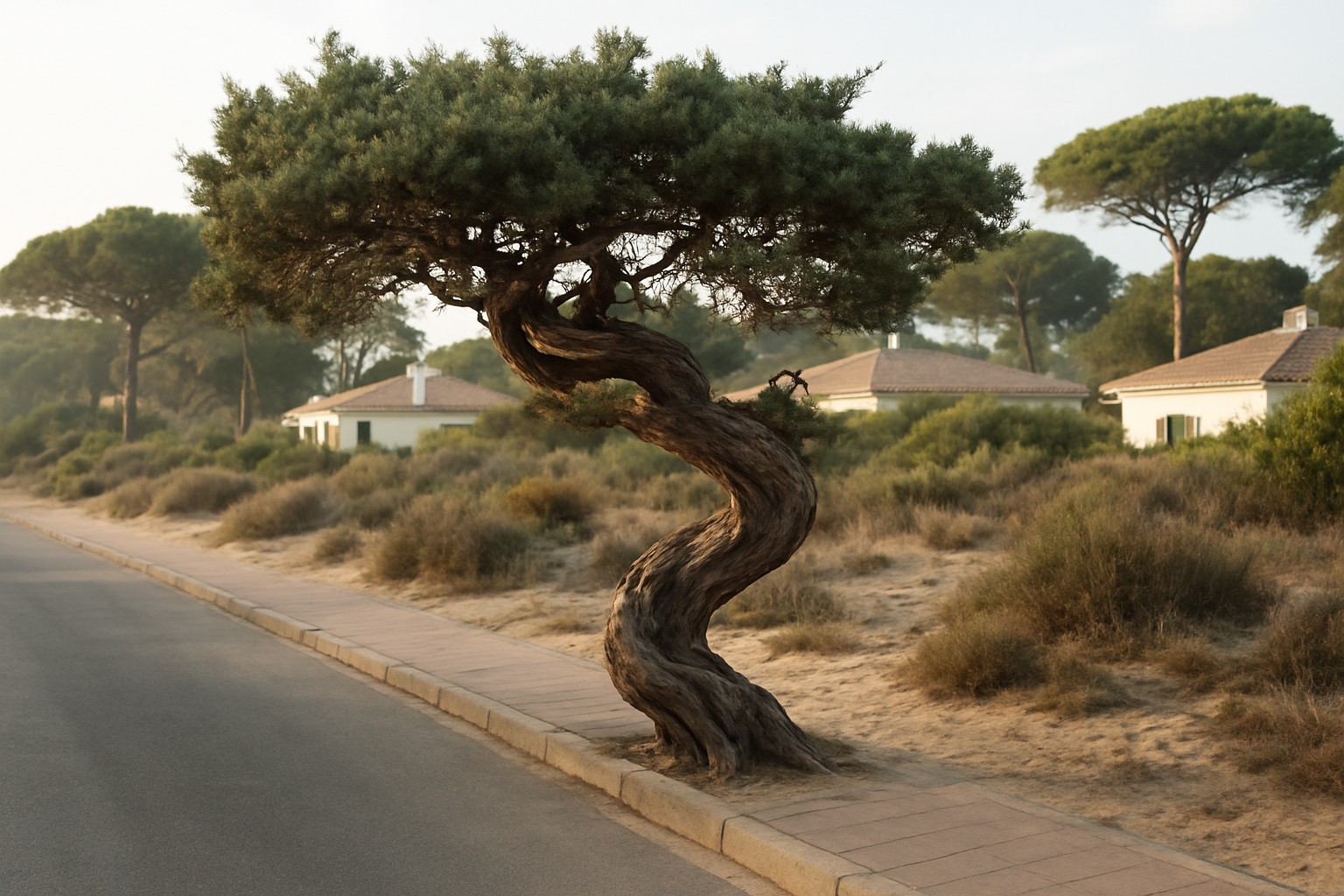
A population of century-old coastal junipers has survived inside the urban fabric of eastern Marbella, according to a scientific study reported by Diario Sur. The research, led by the University of Málaga’s Botany Department, was published in the journal Anales de Biología.
The trees, of the species Juniperus turbinata, grow outside the protected dune areas. They are found in housing estates, private gardens and parks, in tree pits along pavements and even on a roundabout. Co-author Rafael Negrete said the phenomenon has never been described in the Iberian Peninsula: it has either not happened or has not been documented.
Around the Duna de Artola
The study covers 59.36 hectares around the Duna de Artola, where 44% of the land is built on. This dune holds the largest coastal juniper woodland in Málaga province and was declared a Natural Monument in 2003. The Dunas de Marbella Ecological Reserve, made up of nine units covering 20.99 hectares, followed in 2011.
Researchers split the area into 11 sites, including semi-natural plots, private gardens, streets in the Marbesa and Carib Playa estates, urban parks and pine groves with scrub. They saw hundreds of trees but cannot give an exact number, as many now stand behind the fences of private properties.
Some specimens are about 100 years old, so they predate the area’s development. They stand between 5 and 9.1 metres tall, with trunks wider than half a metre. By comparison, inland junipers at Sierra Llana, a different species, do not exceed 6 metres. All the notable trees sampled bear fruit.
Pruning and exotic plants
Life in the city has taken its toll. The trees suffer from heavy pruning at the base, topping and changes caused by irrigation. They also share space with up to 23 exotic ornamental species, such as acacias, mimosas and yuccas. Negrete said these plants do not attack the junipers but do degrade the ecosystem.
Call for protection
The experts want the woodland included in the Andalusian Inventory of Singular Trees and Groves, covering both the semi-natural site and the most significant trees, as well as in Marbella’s municipal catalogue of singular trees. The regional inventory lists only nine juniper woodlands, one of them in Málaga province (Sierra Llana), all of other species. Marbella’s would therefore be the only coastal juniper woodland in Andalusia.
Source: www.diariosur.es
This article was written with the help of AI, based on the source credited above, and published automatically. How we work